END OF PRESENTATION ~O~
The discovery of JMW Turner's oil on canvas exhibited at the Royal
Academy in 1793 ~O~
END OF PRESENTATION
'The rising squall, hot wells, from
St. Vincent's rock, Bristol'
Oil on Canvas,
originally 15" x 20" (approx) reduced to 14" x 19"
(approx). Exhibited RA 1793 being Turner's first exhibited oil picture.
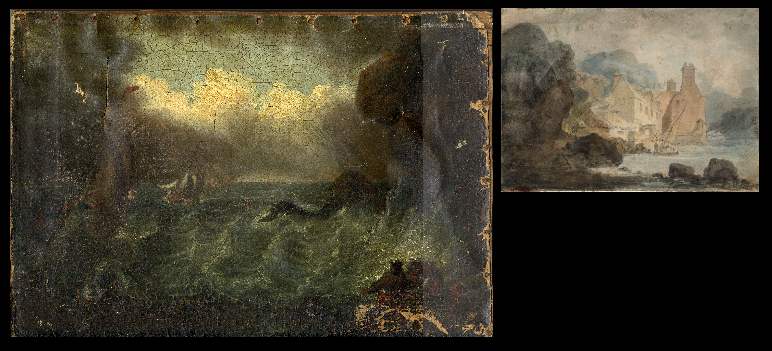
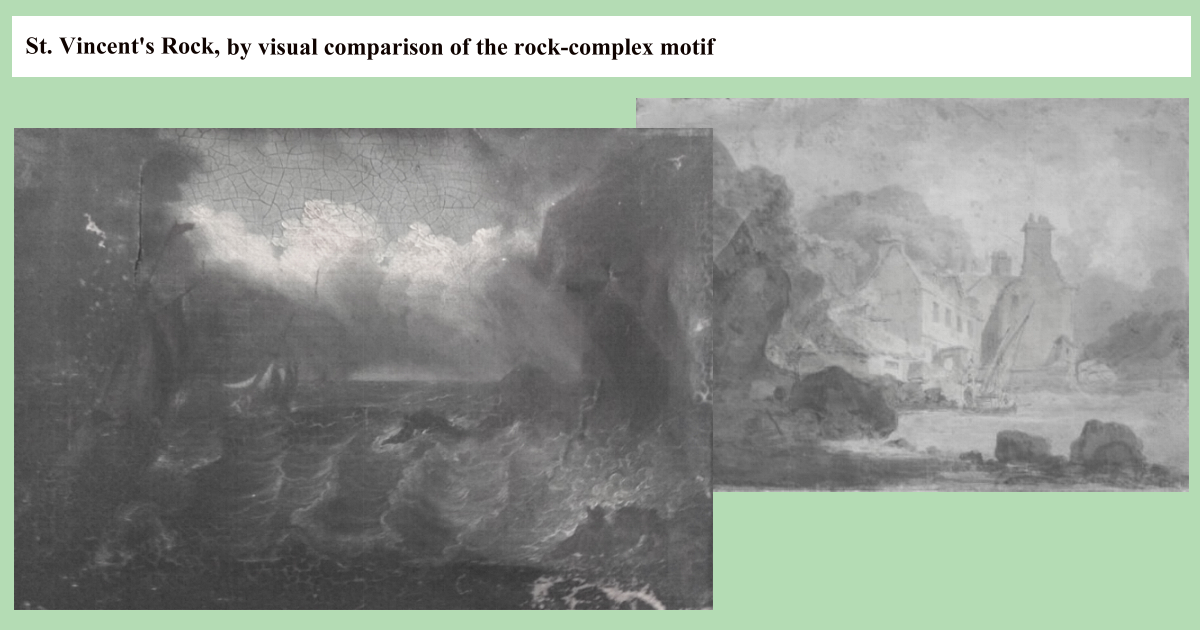
- By visual comparison with JMW Turner's watercolour-drawing 'Back View
of the Hot Wells, Bristol', D00389, at Tate Britain being part of the
Turner Bequest,
- the rock-complex motif thereon consisting of an overhanging rock
and a dome rock in close proximity in a view towards the riverbank
is repeated on the oil in the opposite direction to form a view from
the riverbank looking out towards the river.
...
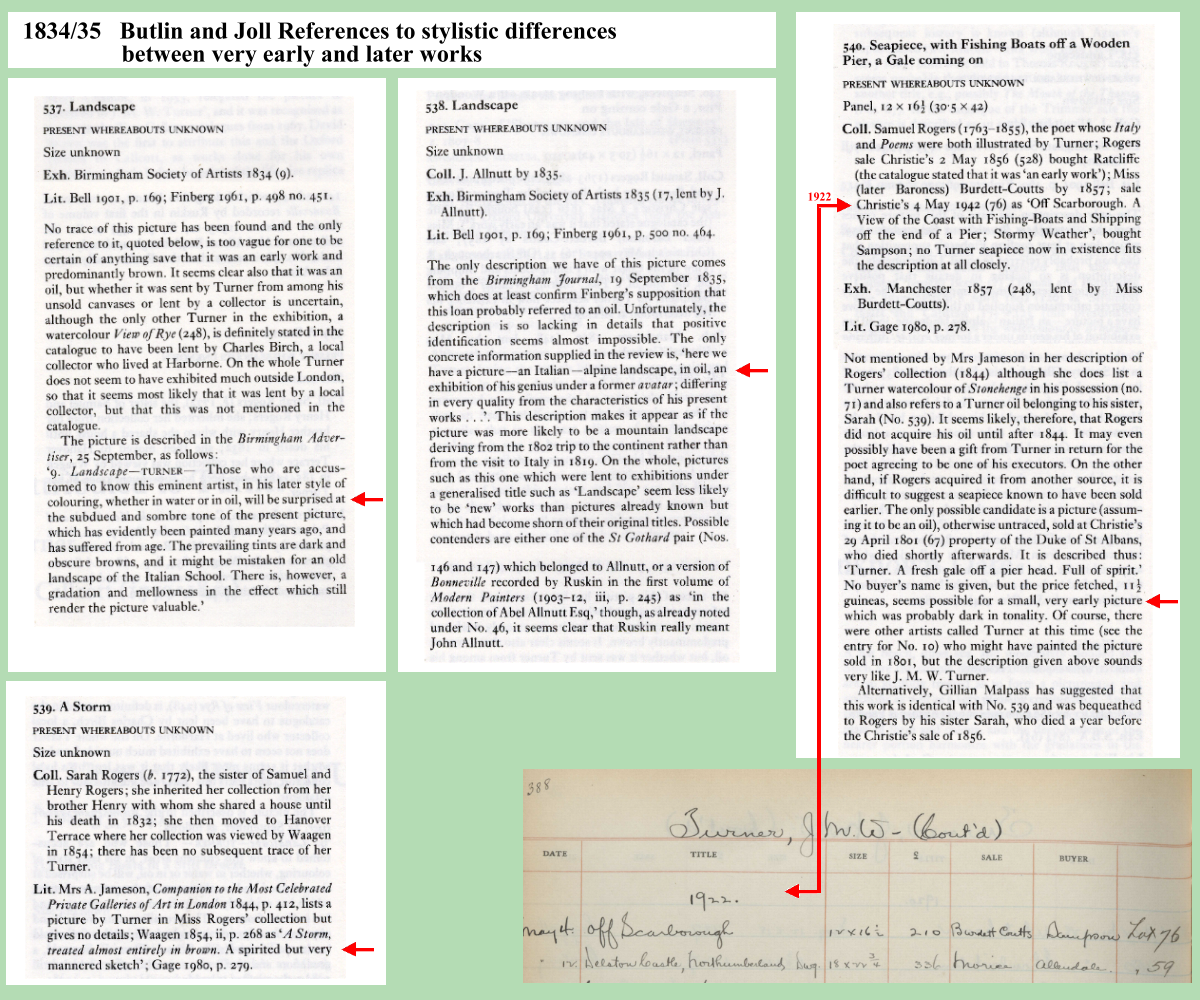
- Stylistically very early, (painted late 1792).
- No person now living (2019) has seen a pre-1793 Turner oil but
there are many contemporaneous comments in literature describing
them and this oil displays features commensurate with comparative
descriptions of other early Turner works in oil, eg: 'Here we have a
picture - an Italian - alpine landscape, in oil, an exhibition of
his genius under a former avatar; differing in every quality from
the characteristics of his present works.' (Birmingham Journal, 19th
September 1835; Butlin & Joll cat. No.538)
...
- 1793: RA Exhibition No. 263:
- Mistakenly printed in the catalogue as 'View on the river Avon,
near St. Vincent's rock, Bristol' but probably with Turner's title
'The rising squall, hot wells, from St. Vincent's rock, Bristol'
displayed on its frame because the oil was subsequently referred to
as 'Hotwells' and 'Rising Squall'
...
- 1793: Passed to the Rev. Robert Nixon of Foots Cray, Kent:
- After the 1793 exhibition; by sale or gift then by descent in
1837 to his son, Dr. Rev. Francis Russell Nixon (Bishop of
Tasmania), in whose possession it remained until 1864
...
- 1852: In Peter Cunningham's 'Memoir':
- The title is given as, 'Rising Squall over St. Vincent's Rocks at
Bristol'
...
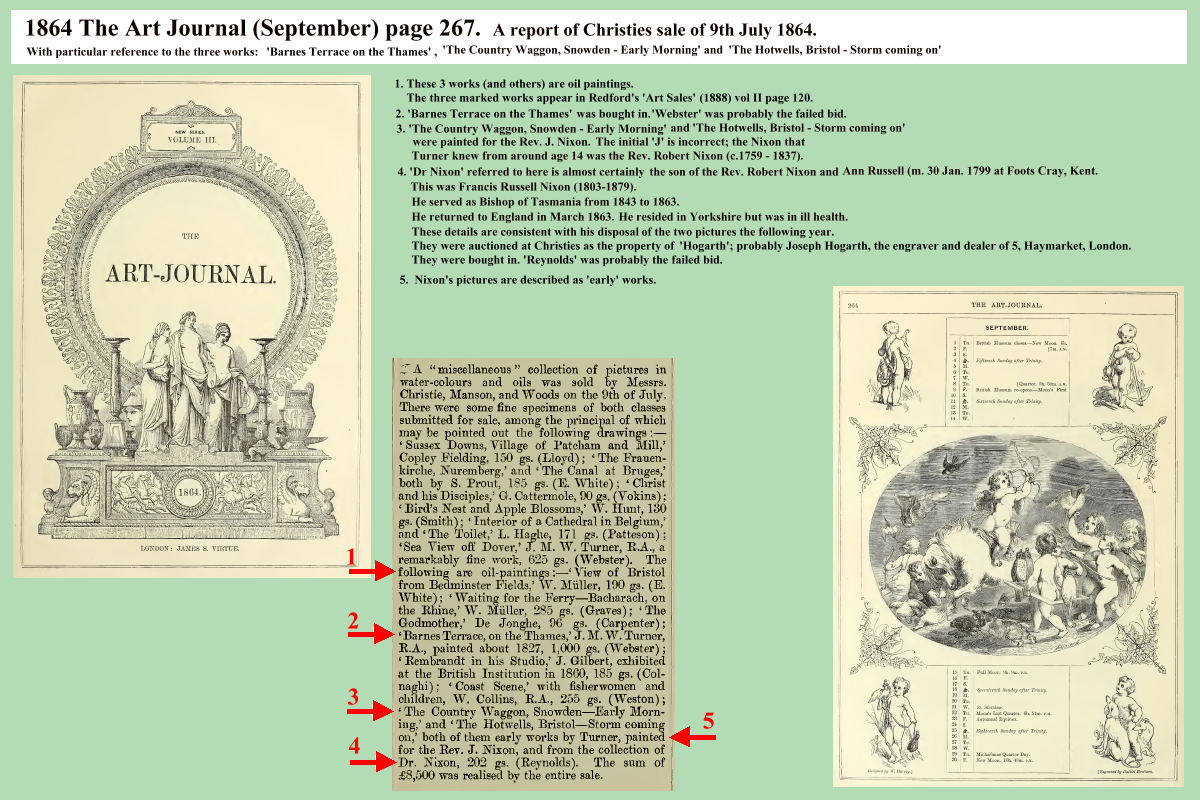
- 1864: At Christies sale of July 9 1864:
- Seller 'Hogarth' presumably acting for Dr. Rev. Francis Russell
Nixon because it was sold together with another early oil by Turner
('The Country Waggon - Snowdon - Early Morning') both being
identified as Nixon's and as 'early works' in 'The Art Journal'
September 1864.
- The Art Journal gives the title as 'The Hotwells, Bristol - Storm
coming on' but does not mention that it is the exhibited work. The
buyer was 'Reynolds' at 114 guineas. (Reynolds bought both pictures
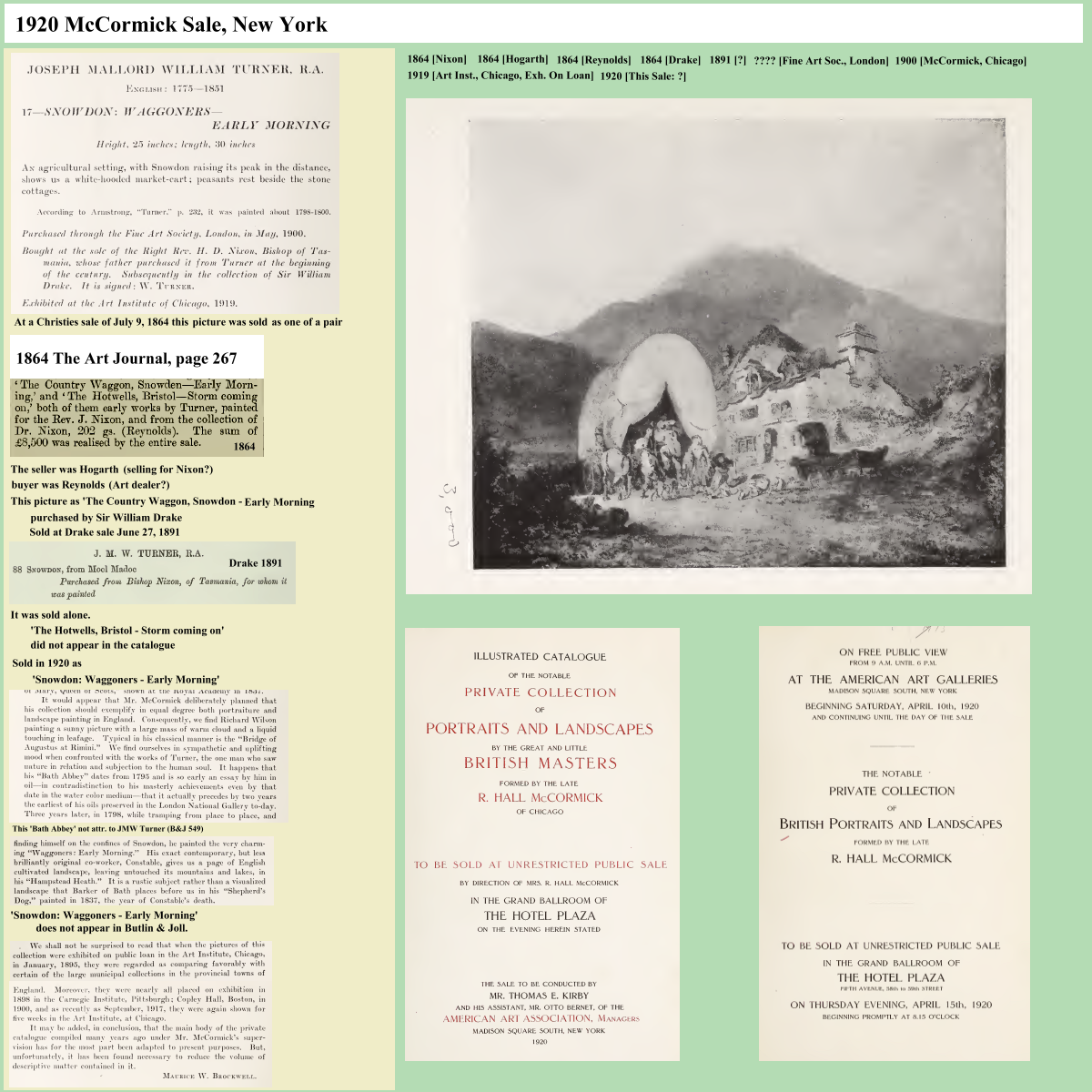
for a total of 202 guineas. Provenance of 'The Country Waggon -
Snowdon - Early Morning' has been traced to 1920. However, the last
confirmed 'sighting' of 'The Hotwells, Bristol - Storm coming on' is
with Reynolds on 9th July 1864).
- This sale was included in the provenance of K816 at Bristol
Museum when K816 was thought to be 'The Rising Squall...'. It is now
clear that K816 is not 'The Rising Squall...' but is likely to be
the 1793 exhibit, 'View on the river Avon, near St. Vincent's rock,
Bristol' in which case its provenance should instead include the
sale of 27th April 1864 (see Christies catalogue for that date).
- The fact that (around 1925) a curator at the Bristol Museum
considered the picture at the sale of 9th July 1864 to be the RA
exhibit 'The Rising Squall...' is further evidence that this was the
case. However, the curator must have had additional sources because
his source was not The Art Journal which specifically stated that
the picture sold was an oil.
...
- 1874: Samuel Redgrave:
- He discovered that Turner's first exhibited oil was 'The Rising
Squall' (thus confirming transposition of titles in the 1793
catalogue because an oil would not have been hung in the Library.)
...
- 1879: Monkhouse refers to 'The Rising Squall, Hot Wells', exhibited
1793
...
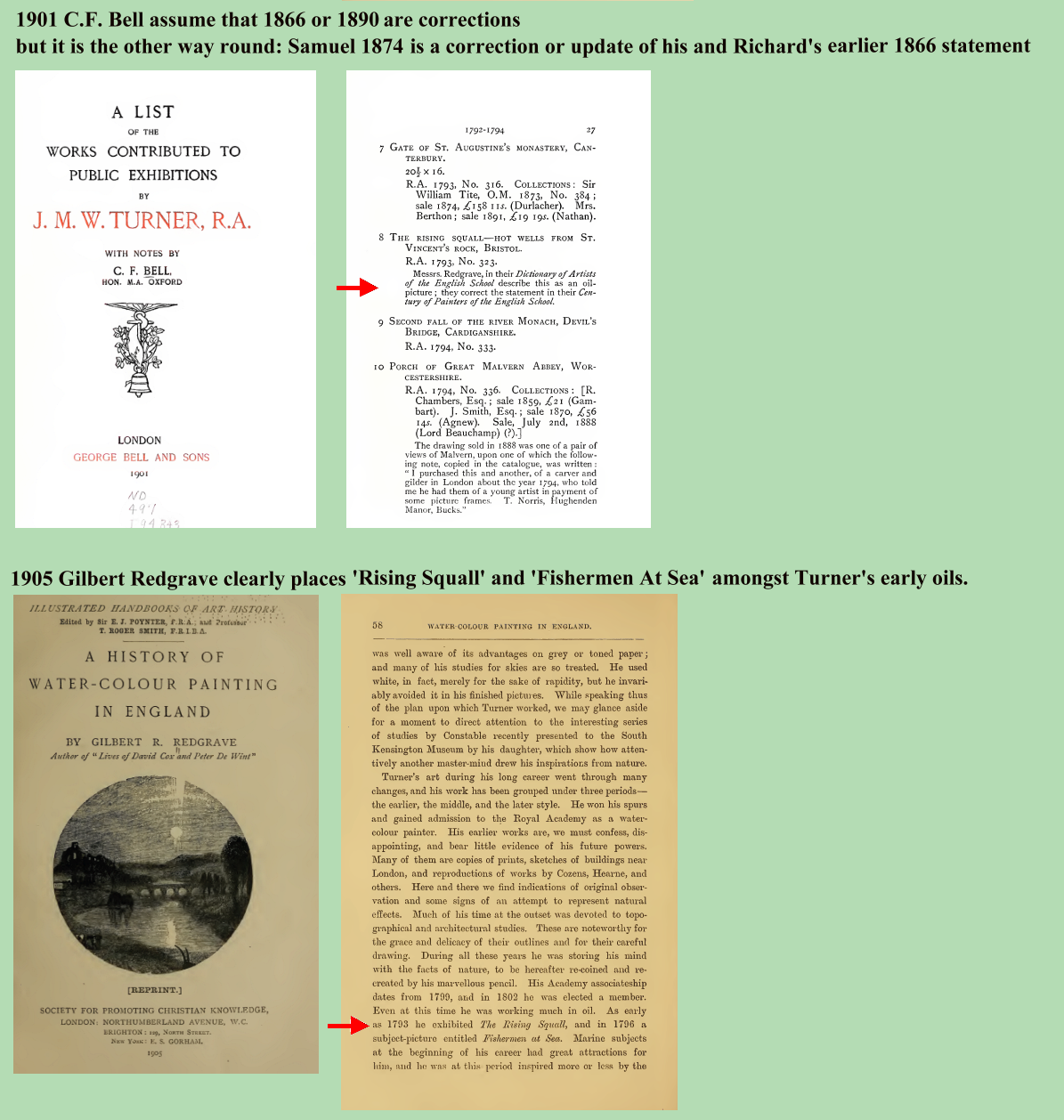
- 1901: C.F.Bell misinterpreted the information provided by Samuel
Redgrave.
- With the exception of Gilbert Redgrave later commentators based
their work on Bell's mistaken conclusion that 'The Rising Squall'
was a watercolour.
...
- 1905: Gilbert Redgrave:
- Clearly stated that both 'The Rising Squall' and 'Fishermen At
Sea' were oils.
...
- THEN: The picture suffered damage:
- It appears to be from impact by a sharp object.
- The damage was repaired.
- The picture was reduced in size by removing approximately 1"
of stretcher and canvas from the top and right side.
...
- 2018: It resurfaced in August 2018:
- It was recovered from the attic of an unknown house by an unknown
house clearance dealer.
- It was bought by an unknown trader (from the house clearance
dealer at an unknown car boot sale)
- The trader offered it for sale in a casual antiques market in
Hadleigh, Suffolk, where it was purchased by the current owner.
- All efforts to trace the market trader, house clearance dealer
and house have failed.
...
- 2018: On aquisition by the current owner the picture was crumpled and
torn. It has been stabilised and fixed to the stretcher using modern
cloth tape and mounted in a holding frame. Otherwise there have been no
cleaning or restoration processes applied. A black light examination did
not reveal any unusual features or modern repainting. There is some
damage by paint loss, extensive craquelure and the picture is still very
dirty.
[_FINISH_]
30_80
@@@@@ By Visual Comparison
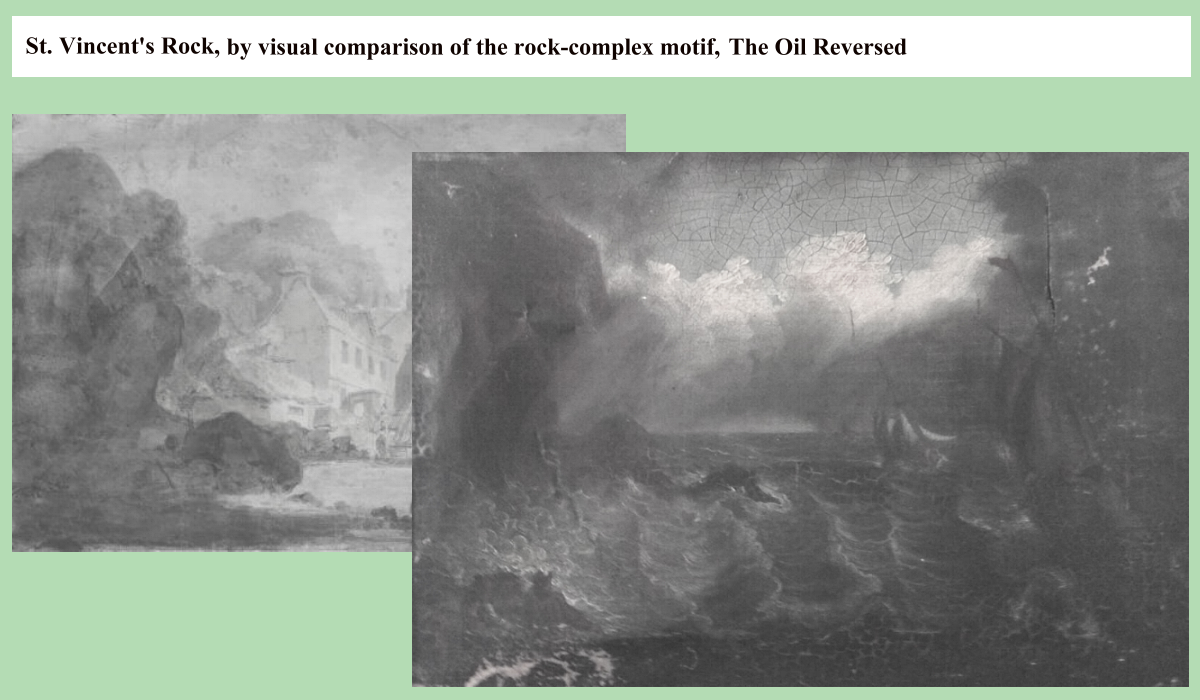
@@@@@ Stylistically Very Early
@@@@@ RA Exhibition 1793
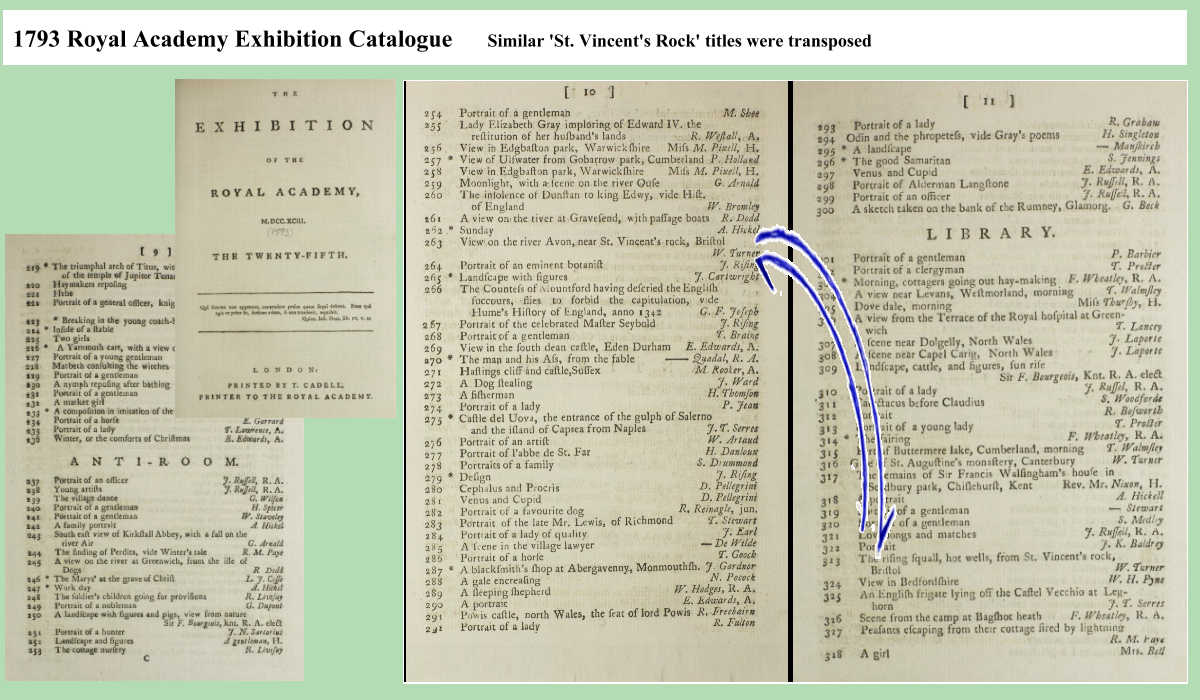
@@@@@ the oil was subsequently
referred to as 'Hotwells' and 'Rising Squall'
Transposition of titles is evident from the works of Richard, Samuel and
Gilbert Redgrave but misinterpreted by C.F.Bell:
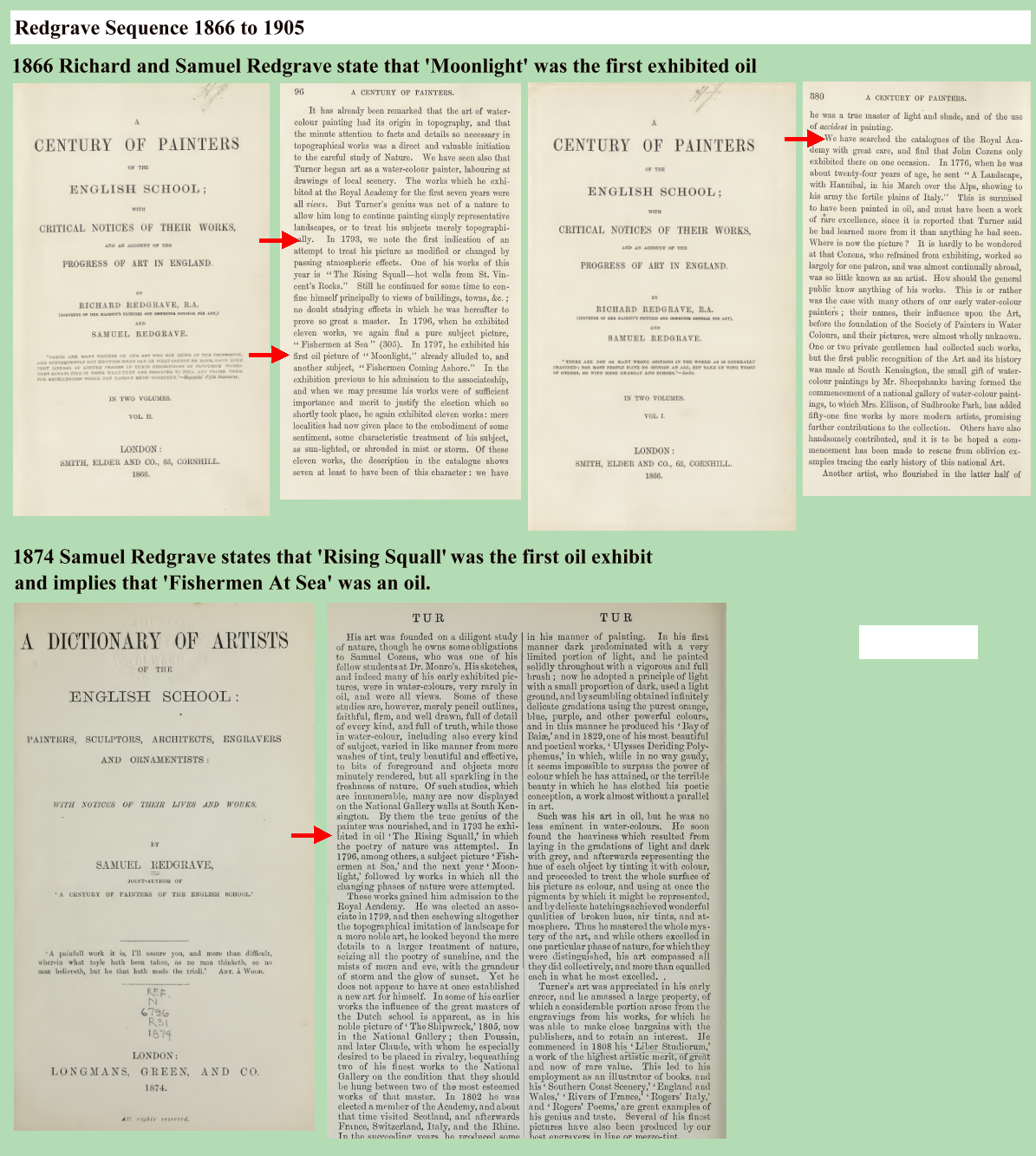
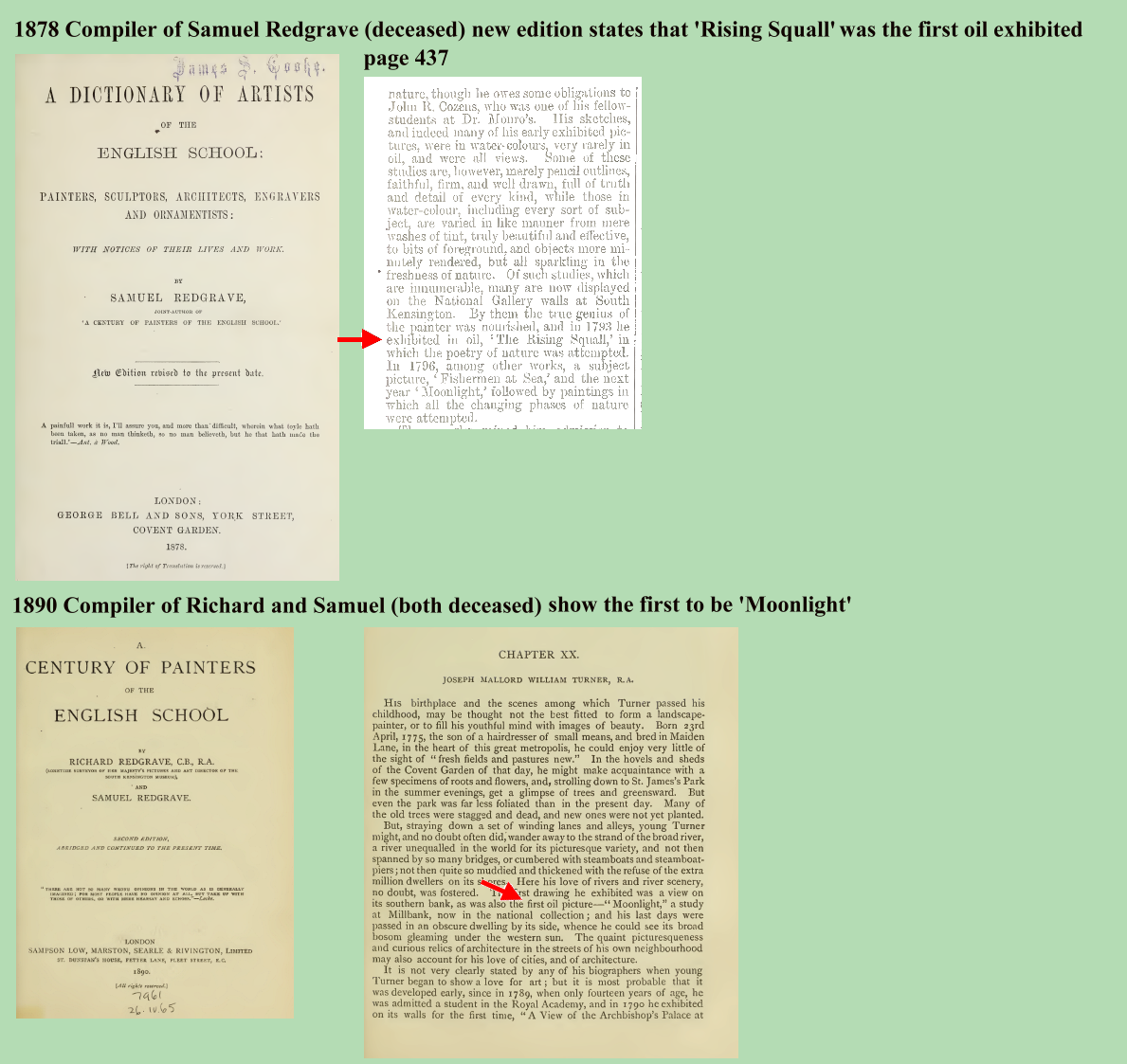
Redgrave Sequence 1866 to 1905
1874: Samuel discovered that Turner's first exhibited oil was 'The
Rising Squall' in 1793
1866 Richard and Samuel (writing 'A Century of Painters') examine the
catalogues and conclude that Turner's first exhibited oil is 'Moonlight'.
1874 During the eight years since publication of 'A Century of Painters'
Samuel discovered that Turner's first exhibited oil was 'The Rising
Squall' in 1793 and that his second was 'Fishermen at Sea' in 1796. This
information was published in 'A Dictionary of Artists'.
1878 A new edition of 'A Dictionary of Artists' was published after
Samuel's death. (The first exhibit information was unchanged).
1879 Cosmo Monkhouse published 'Turner' and is uncertain about the
first oil exhibit (see *[7] above).
1890 A new edition of 'A Century of Painters' was published (Samuel and
Richard were both deceased) but the compilers failed to change Turner's
information in respect of Samuel's discovery of 1874.
1901 C F Bell clearly looked at the latest editions and thought
incorrectly that the information in 'A Century of Painters' (originating
from 1866) was updating 'A Dictionary of Artists' (originating from 1874).
1905 Gilbert sets it out clearly in his 'History of Watercolour Painting
in England'.
@@@@@
@@@@@
@@@@@ Passed to the Rev. Robert Nixon
of Foots Cray, Kent
@@@@@ 1852: In Peter Cunningham's
'Memoir'
@@@@@ At Christies Sale of April 27,
1864
@@@@@ At Christies Sale of July 9,
1864
@@@@@ Provenance of 'The Country
Waggon - Snowdon - Early Morning' . . . . . has been traced to 1920.
However, the last confirmed 'sighting' of 'The Hotwells, Bristol - Storm
coming on' is with Reynolds on 9th July 1864)
@@@@@